The Biscuit Tin Economy: Notes from Britain’s Roadside Honesty Boxes
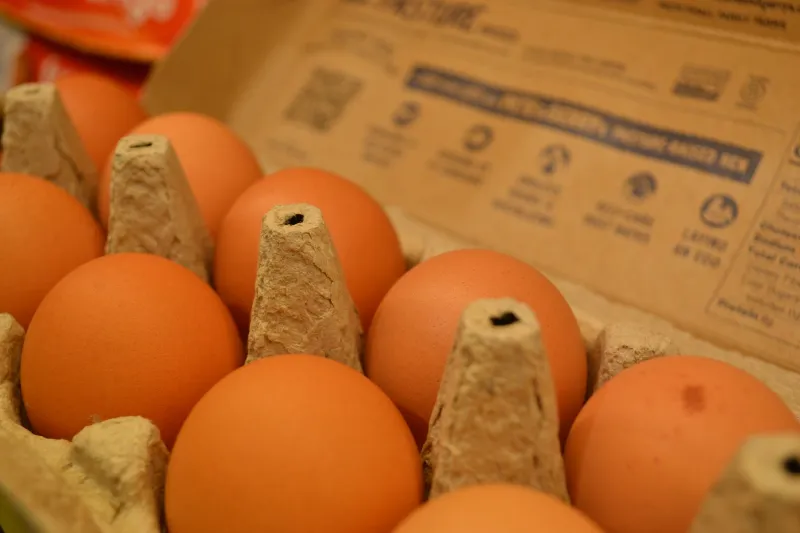
There is a particular kind of British optimism that lives at the end of a gravel track, under a bit of tarpaulin, beside a hand-painted sign saying EGGS. It is not the loud optimism of a ribbon-cutting or a corporate launch. It is the quieter sort: the belief that if you leave a tin of coins on a table, most people will do the decent thing, and the rest will at least feel a bit awkward about it.
As of November 2026, the roadside honesty box remains one of the country’s more eccentric institutions. It is a shop with no staff, a vending machine with no electricity, and a social experiment with no ethics committee. You can find them on lanes in Devon, outside village halls in Yorkshire, at the edge of allotments, and in the kind of lay-by where the satnav says “continue” and your passenger says “are you sure?”
This is not a definitive survey. It is a wandering one, conducted with the solemnity of a birdwatcher and the snack-related urgency of a man who has spotted a jar of marmalade.
The Wobbly Table: the classic model
The entry-level honesty box is a pasting table, a plastic tub, and a sign that has been laminated against hope rather than weather. On it: eggs in cartons, maybe a few jars of jam with labels printed at home, and a small tin — often a biscuit tin, often rusty, often held shut with an elastic band that has seen things.
The tin is the heart of the operation. It is usually a former Quality Street tin, which is a nice bit of circular economy: first it held chocolates nobody wanted, now it holds coins nobody counts. The etiquette is simple. You take your eggs. You put in the right money. If you only have a twenty, you either leave it and feel virtuous, or you drive off and feel like a character in a bleak short story.
The Wobbly Table model runs on trust and mild anxiety. The seller trusts you not to pinch the lot. You trust the eggs not to be from 2019. Both parties agree not to mention the weather, even though the weather is clearly the third party in the relationship.
The Fridge of Chilled Morality
Slightly up the evolutionary ladder is the roadside fridge. This is an honesty box that has acquired ambition. It may contain cheese, butter, milk, or — in one memorable case — a selection of pork pies arranged with the care of a jeweller’s window.
The fridge introduces a new variable: electricity. Someone has run an extension lead from a shed, and suddenly you are dealing with food safety, condensation, and the unspoken question of whether the little thermometer is there for reassurance or decoration. The biscuit tin has been upgraded to a cash box, sometimes with a slot, sometimes with a note saying PLEASE DO NOT TAKE THE CHANGE. The note is always slightly tragic, like a plea left for a burglar.
What I like about the fridge box is its seriousness. It is still unstaffed, still trusting, but it has decided that trust should be refrigerated. That is progress, of a sort.
The QR-Code Kiosk
The newest species is the QR-code honesty hut. It has a laminated sign, a proper shelf, maybe a little roof, and a QR code that takes you to a payment page with the seller’s name and a cheerful message. The biscuit tin is still there, but now it is a backup, a relic, a bit of tradition kept for those who prefer coins and conversation.
I have complicated feelings about the QR code. On one hand, it solves the change problem and makes the whole thing feel less like a treasure hunt for pound coins. On the other, there is something lost. The tin was a small act of faith. The QR code is a small act of administration. It works, but it does not wobble.
Still, in 2026, the QR-code kiosk is thriving. It is the honesty box’s answer to contactless payment: same trust, less rummaging. The only downside is that you can no longer pretend the internet is not involved in your eggs.
The Courgette Overflow and the Plant Cuttings Annex
Then there are the boxes that are less shop and more public service announcement. In late summer, the Courgette Overflow appears: a table piled with green marrows and a sign saying FREE, or PLEASE TAKE, or HELP. This is not commerce. This is a gardener’s cry for help, disguised as generosity.
The Plant Cuttings Annex is similar but more polite. Little pots of mint, rosemary, strawberry plants, and things labelled “mystery” in biro. You leave a donation, you take a cutting, and you enter into a long-distance relationship with a stranger’s garden. It is the most wholesome form of theft-adjacent behaviour available in Britain today.
What the tin actually tells us
Whenever I see a roadside honesty box, I think about the small daily decision it represents. The seller has decided that the world is mostly fine. The buyer has decided to be the sort of person who pays. The tin has decided to sit there, rusting gently, bearing witness.
Petty pilfering does happen, of course. There are stories of tins disappearing, of eggs taken without payment, of one notorious incident involving a honesty box and a group of people who clearly thought it was a buffet. But the boxes keep appearing. That is the interesting bit. People keep building them, keep restocking them, keep trusting.
Maybe that is the real taxonomy: not the table, the fridge, or the QR code, but the fact that the whole thing is a tiny, unstaffed version of the village. It is a noticeboard you can eat from. It is a handshake with no hands. It is, frankly, a bit odd — and that is why it belongs here.
So next time you see a sign saying EGGS, HONESTY BOX, PLEASE CLOSE THE GATE, do stop. Take a carton. Put your money in the tin. Close the gate. And if you have a spare courgette, leave it. Someone will take it. That is the system.